CO2 Laser Treatment for Skin: Benefits and Considerations
By Editorial Team · October 8, 2026
Introduction to CO2 Laser Treatment
CO2 laser treatment is a popular cosmetic procedure used to improve skin texture and appearance. It utilizes carbon dioxide lasers to remove outer layers of skin, promoting the growth of new, healthier skin underneath. This treatment is frequently sought for various skin concerns, including wrinkles, fine lines, acne scars, and uneven pigmentation.
How CO2 Laser Treatment Works
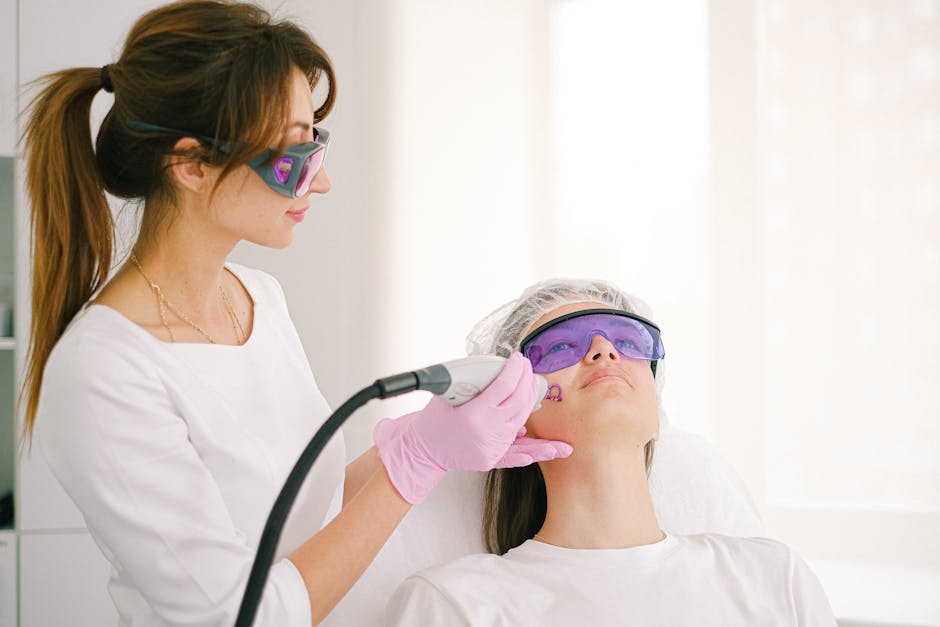
The procedure involves the use of a highly focused beam of light that targets specific areas of the skin. The laser energy vaporizes the damaged skin cells, allowing for a controlled injury that stimulates the body's natural healing response. This process encourages collagen production, which is essential for maintaining skin elasticity and firmness. CO2 lasers can be used for both ablative and non-ablative treatments. Ablative lasers remove thin layers of skin, while non-ablative lasers penetrate deeper without damaging the outer layer, making them suitable for milder skin issues.
Benefits of CO2 Laser Treatment
One of the primary benefits of CO2 laser treatment is its effectiveness in addressing a range of skin concerns. Patients often report significant improvements in skin tone and texture after the procedure. Other benefits include:
- Minimized Appearance of Scars: The treatment can effectively reduce the visibility of acne scars and other types of scarring.
- Wrinkle Reduction: It can diminish fine lines and wrinkles, particularly around the eyes and mouth.
- Improved Skin Tone: The procedure helps to even out skin tone and reduce discoloration.
- Long-lasting Results: Many patients enjoy long-term results with proper skincare following the treatment.
Risks and Considerations
While CO2 laser treatment offers many benefits, it is essential to consider potential risks and side effects. Common side effects include redness, swelling, and irritation, which typically subside within a few days. However, some individuals may experience more severe reactions such as:
- Infection: There is a risk of infection if proper aftercare is not followed.
- Scarring: Although rare, some patients may develop permanent scarring from the procedure.
- Changes in Skin Pigmentation: Some individuals may experience hyperpigmentation or hypopigmentation, particularly those with darker skin tones. Before undergoing treatment, it is crucial to consult with a qualified dermatologist or cosmetic surgeon. They can assess individual skin types and conditions to determine if CO2 laser treatment is appropriate.
Recovery and Aftercare
Recovery after CO2 laser treatment varies depending on the extent of the procedure. For ablative treatments, patients may experience significant swelling and redness for several days. Non-ablative treatments generally have a shorter recovery time. Recommended aftercare includes:
- Keeping the Area Clean: Gently cleansing the treated area to prevent infection is vital.
- Moisturizing: Using prescribed ointments and moisturizers helps promote healing.
- Avoiding Sun Exposure: Protecting the skin from sunlight is crucial, as it can hinder recovery and lead to pigmentation issues.
- Following Up with the Doctor: Regular follow-up appointments can help monitor healing and address any concerns.
Conclusion
CO2 laser treatment is an effective option for individuals looking to enhance their skin's appearance. With its ability to treat various skin concerns and promote healing, many patients find significant value in the procedure. However, it is important to weigh the benefits against potential risks and to follow post-treatment care for optimal results. Consulting with a qualified professional can help individuals make informed decisions about whether this treatment is right for them.
Related articles

Dental Implants: Benefits, Costs, and Candidacy in Australia
Explore the benefits, costs, and candidacy for dental implants in Australia to help you make informed decisions about your dental health.

How To Apply For A Medicare Food Allowance In The US
Learn how to apply for a Medicare food allowance in the US, including eligibility requirements and application steps.

Understanding Medicare Programs for Seniors in the US
Explore the various Medicare programs available for seniors in the US, their benefits, and how to enroll.