
Finding Affordable Low-Income Apartments in the U.S.
By Editorial Team · September 16, 2026
Understanding Low-Income Housing
Low-income housing refers to rental units that are affordable for individuals and families with limited financial resources. In the United States, these apartments are typically available to those whose income is at or below a certain percentage of the median income in their area. The affordability of low-income apartments is crucial in addressing the housing crisis, especially in urban areas where rental prices have skyrocketed.
Types of Low-Income Housing
There are several types of low-income housing available in the U.S. Public housing is managed by government authorities and is often subsidized to keep rents affordable. Another option is the Housing Choice Voucher Program, often referred to as Section 8, which provides financial assistance for eligible families to rent apartments in the private market. Non-profit organizations also play a role in offering low-income apartments, frequently through community development programs. Each type serves a unique purpose and can be beneficial depending on individual needs.
How to Find Low-Income Apartments
Finding low-income apartments can be challenging, but various resources are available to help. Online platforms such as the U.S. Department of Housing and Urban Development (HUD) website provide listings of public housing and voucher programs. Websites like ApartmentFinder, Zillow, and Craigslist also feature affordable housing options. Local housing authorities can be a valuable resource for information about available units and eligibility requirements. Additionally, visiting community centers or non-profit organizations can provide insights into local housing resources.
Eligibility and Application Process
Eligibility for low-income apartments typically depends on income, family size, and other factors. Applicants must usually provide documentation, including proof of income, identification, and rental history. The application process can vary by program and location; some may have waiting lists due to high demand. It's essential to be prepared with the necessary paperwork and to apply as soon as possible when you find a suitable option.
Additional Resources and Support
Aside from searching for low-income apartments, there are additional resources that can assist individuals in need. Local governments may offer rental assistance programs to help with moving costs or deposit fees. Non-profit organizations often provide case management services to guide families through the housing process. Furthermore, various charities may offer financial aid or help with utility payments, which can ease the overall financial burden. It is advisable to explore these options to ensure a smoother transition into affordable housing.
Finding low-income apartments requires patience and persistence, but with the right resources and information, it is possible to secure affordable housing. Understanding the types of housing available, utilizing local resources, and being aware of eligibility requirements can greatly enhance the search process. Many individuals and families have successfully found homes that meet their needs, and with diligent effort, others can too.
Related articles

Understanding Foundation Repair Costs and Expectations in the US
Learn about foundation repair costs in the US, what factors influence pricing, and what homeowners can expect during the process.
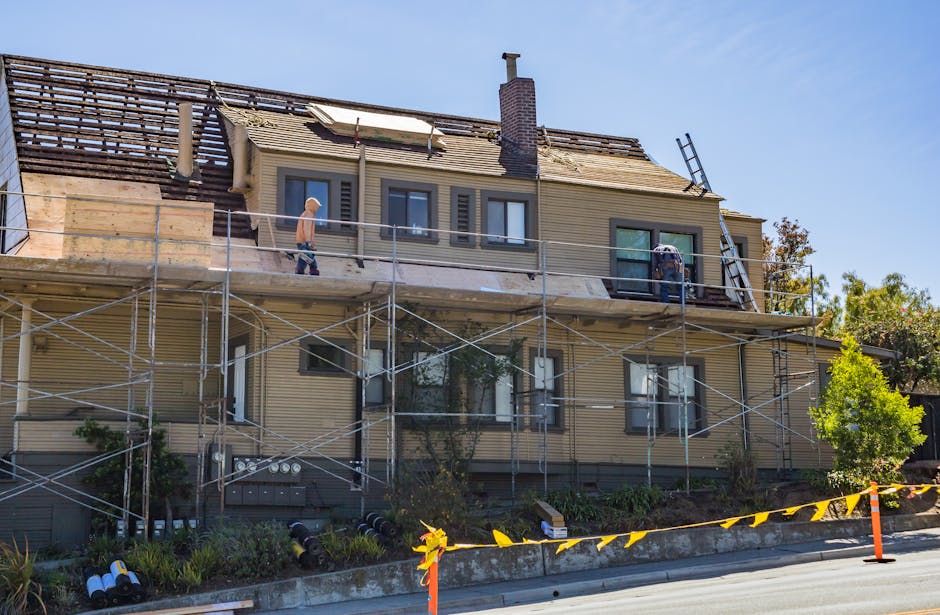
How To Compare Roof Replacement Quotes In The US
Learn how to effectively compare roof replacement quotes in the US to make informed decisions for your home improvement project.
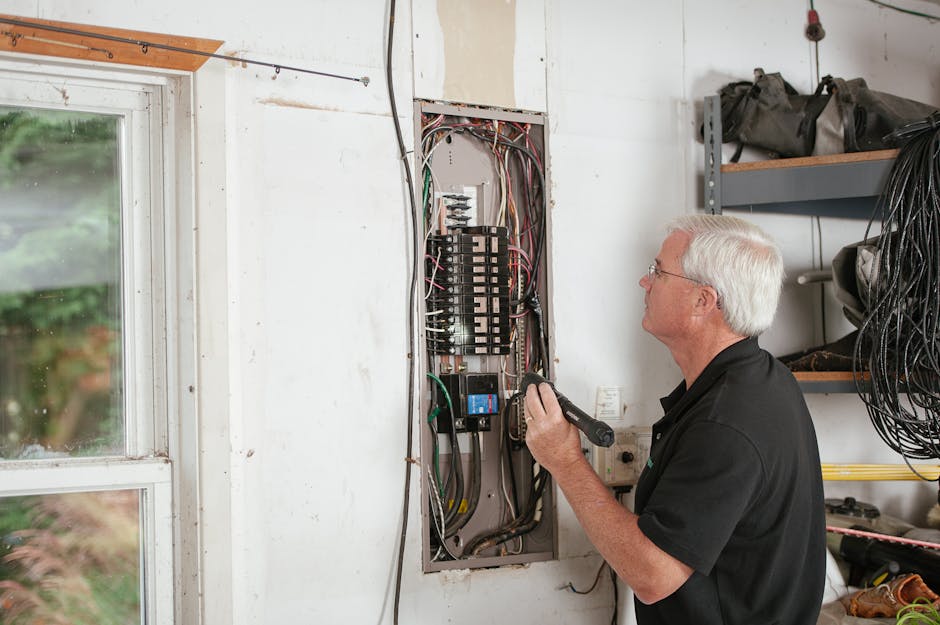
Understanding Electrical Panel Replacement Costs and Benefits
Explore the costs and benefits of replacing your electrical panel, including signs it's time for an update and potential savings.